 Tidy Work Home

The cabinet over the sink is called a medicine cabinet, so that's where the medicine goes. It's also the steamiest room in the apartment. And when the shelves fill up, old bottles get pushed to the back and stay there for years.
This guide is about storage and clearing out, not about which medicine to take. It uses advice from the U.S. Food and Drug Administration (FDA), MedlinePlus from the National Library of Medicine, and the Centers for Disease Control and Prevention (CDC). If you have a question about a specific medicine, ask your pharmacist.
01The surprise: the medicine cabinet is a poor place for medicine
MedlinePlus says the heat and moisture from your shower, bath and sink may damage your medicines. [3] The FDA says that storing medicine in a damp bathroom cabinet can make it less effective, even before its expiration date. [1]
Both suggest a cool, dry place instead, such as a dresser drawer. [1][3] So the cleanout has two jobs: clear out what you no longer need, and move what's left out of the bathroom.
02Take everything out and check the dates
Our suggestion: empty the whole cabinet onto a towel. Add any bottles from the kitchen, your bag and the nightstand. Then sort them into three piles.
- Keep: medicines you use that haven't expired.
- Expired: MedlinePlus says to check the expiration date on your medicines. [3] The FDA says that once the date has passed, there is no guarantee the medicine will be safe and effective. [1]
- Unused: not expired, but you no longer need them. These go out with the expired pile.
While you're at it, the bandages, cotton swabs and hair ties can stay in the bathroom. Only the medicines need to move.
For where those everyday things can go, see our small bathroom storage ideas, which sort what can live near the water from what has to stay dry.
03Dispose of old medicine the right way
Don't just toss the bottles in the bin. The FDA lists the options in this order: [2]
- A take-back location. These are often at a local pharmacy or police station. You can also mail medicines back in a prepaid drug mail-back envelope.
- The flush list. Don't flush any medicine unless it's on the FDA's Flush List.
- The household trash, as a last resort. Don't crush pills. Mix them with something unappealing such as dirt, cat litter or used coffee grounds, and put the mixture in a sealed plastic bag before throwing it away.
Before the empty bottles go in the trash, the FDA says to scratch out the personal information on the prescription label. [2] A permanent marker does the job.
04Give the keepers a cool, dry drawer

MedlinePlus suggests a dresser drawer, or a kitchen cabinet away from the stove, sink and any hot appliances. [3] The FDA also lists a kitchen cabinet, kept away from the stove and sink. [1]
- One small box. Our suggestion: put all the keepers in one lidded box, so the whole kit comes out at once and goes back the same way.
- Not in the car. MedlinePlus says not to keep medicines in your car's glove compartment. [3]
- Flying? MedlinePlus says to keep your medicines in your carry-on bag. [3]

05Keep medicine out of kids' reach and sight
The FDA notes that medicine left within reach puts children at risk of accidental poisoning. [1] In a small apartment, a low drawer is easy for a child to open, so pick the spot with that in mind.
- Up high and out of sight. The CDC says to keep medicines in a place young children cannot reach or see. [4] MedlinePlus also suggests a cabinet with a child latch or lock. [3]
- Lock the cap. The CDC says to always check that the cap on a medicine bottle is locked. [4]
- Put it back every time. After locking the cap, the CDC says to put the medicine back in its safe storage spot. [4]
If children live with you or visit often, a high shelf in a closet can work better than a dresser drawer. For help getting ready before visitors arrive, see Small Apartment Overnight Guests.
06Quick fixes for common problems
| The problem | Likely cause | Try this |
|---|---|---|
| Bottles you don't remember buying | Old ones pushed to the back | Empty the cabinet and check every date |
| Medicines kept over the sink | The name says it belongs there | Move them to a cool, dry drawer |
| A bag of expired pills with nowhere to go | Not sure how to get rid of them | Pharmacy take-back first; trash only by following the FDA steps |
| Your name on old bottles in the trash | Label left as is | Scratch out the personal information |
| A child can open the drawer | Spot chosen for adults' convenience | Up high, out of sight, cap locked |
07If you only do one thing today
Empty the cabinet over your sink onto a towel and check every expiration date. Put the expired ones in a bag for the pharmacy take-back, and move the rest to one box in a dry drawer.
Sources
- U.S. Food and Drug Administration, "Don't Be Tempted to Use Expired Medicines" (content current as of October 31, 2024)
- U.S. Food and Drug Administration, "Disposal of Unused Medicines: What You Should Know" (content current as of October 31, 2024)
- MedlinePlus (National Library of Medicine), "Storing your medicines" (reviewed January 14, 2026)
- Centers for Disease Control and Prevention, "Medication Safety and Your Health" (November 18, 2024)
Keep reading
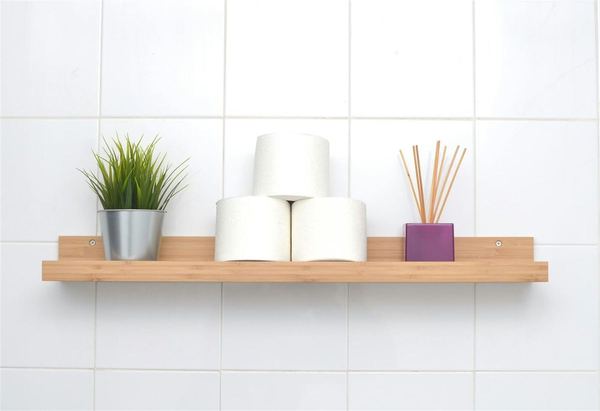 Bathroom
Wet Room Storage Ideas for Small Bathrooms
What can live in the spray, what must stay dry, and where shelves and hooks go.
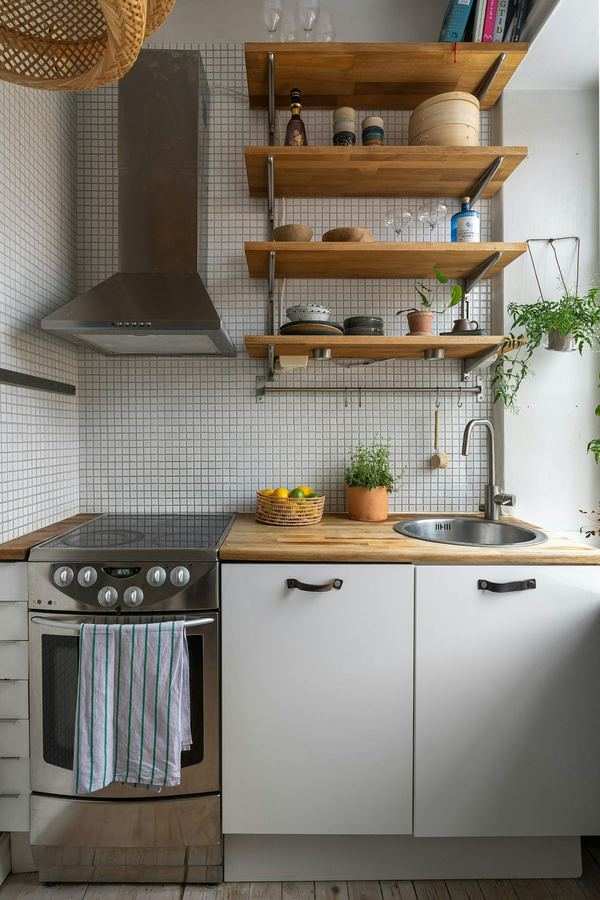 Kitchen
Under-Sink Storage for a Small Kitchen
Keep the pipes in view, give bleach its own bin, and lock the cabinet if little kids are around.
 Seasonal
Emergency Kit Storage for a Small Apartment
One or two bins, one spot everyone knows, and water stored the way Ready.gov suggests.


Photos: Phil Hearing, Priscilla Du Preez, and Nathan Dias (cropped) on Unsplash